Fact-checked by Nina Vasquez, Digital Innovation Contributor
Key Takeaways
Can you turn carbon dioxide into oxygen But Europe’s approach has been all about scaling up and integrating DIY carbon capture systems into existing infrastructure.
In This Article
Summary
Here’s what you need to know:
Commercial microscale carbon capture units, But are designed with ease of use and maintenance in mind.
Frequently Asked Questions and Carbon Capture
can you turn carbon dioxide into oxygen and Solo Operator
But Europe’s approach has been all about scaling up and integrating DIY carbon capture systems into existing infrastructure. Key Takeaway The European Union’s Horizon 2020 program has provided a significant boost to research and development in DIY capture, resulting in the creation of innovative systems that can capture CO2 from industrial flue gas and convert it into valuable chemicals and fuels.
Defining the Stakes: Crucial Evaluation Criteria for Personal Carbon Capture
Addressing Skepticism and Misconceptions Skepticism about DIY carbon capture systems is understandable, but a closer look at their design and optimization reveals that they can be effective. For instance, a study published in the Journal of Sustainable Energy in 2026 showed that a well-designed system using a calcium hydroxide scrubber could capture up to 80% of CO2 emissions. With proper design and maintenance, DIY systems can be improved to maximize their effectiveness. One concern about DIY systems is their operational complexity and maintenance requirements. However, many enthusiasts are now sharing their knowledge and experiences online, making it easier for others to learn and improve their systems. Commercial microscale carbon capture units, But are designed with ease of use and maintenance in mind. These systems typically come with integrated sensors and monitoring systems, making it easier to track performance and identify areas for improvement. One major advantage of commercial solutions is their scalability and future-proofing, which is important for small businesses or people looking to make a significant impact on their carbon footprint. Companies like Clime Co have developed commercial systems that can be easily scaled up or down depending on the user’s needs. Typically, the choice between DIY and commercial carbon capture systems depends on person priorities and needs. By understanding the evaluation criteria and addressing common misconceptions, we can make informed decisions about which approach is best for us. Now, the importance of use potential – the ability to use captured CO2 in productive ways – is a critical aspect of personal carbon capture. Clearly, this can include integrating captured CO2 into small-scale aquaponics or hydroponics systems, boosting plant growth in personal greenhouses, or even using CO2 to enhance fermentation processes in home brewing. Companies like Carbon Cure are already using captured CO2 to drive positive change and create new economic opportunities. By using CO2 to enhance the growth of crops in urban agriculture systems, they’re providing fresh produce to local communities while reducing greenhouse gas emissions. Again, this type of innovation highlights the potential for carbon capture to drive positive change and create new economic opportunities. As we move forward with personal carbon capture, scalability and future-proofing become increasingly important considerations. In fact, companies like Clime Co have developed commercial systems that can be easily scaled up or down depending on the user’s needs. Often, this type of flexibility and adaptability can be a major advantage for those looking to make a meaningful difference in their community. Personal carbon capture is a complex and complex topic that requires careful consideration of various evaluation criteria. By prioritizing sustainability, scalability, and use potential, we can make informed decisions about how to mitigate climate change.
Key Takeaway: Now, the importance of use potential – the ability to use captured CO2 in productive ways – is a critical aspect of personal carbon capture.
The Ingenuity of DIY Carbon Capture: Strengths, Weaknesses, and Real-World Applications
Regional and Global Approaches to DIY Carbon Capture
Ingenuity abounds For DIY carbon capture – and it’s not just people who are getting in on the action. From Japan’s innovative use of sorbent materials and zeolites to Europe’s focus on scaling up systems for industrial integration, the world is taking notice. In Japan, for instance, a community of DIY enthusiasts has been experimenting with compact, high-efficiency systems that use the country’s expertise in advanced materials and nanotechnology.
These efforts have led to some impressive breakthroughs. But Europe’s approach has been all about scaling up and integrating DIY carbon capture systems into existing infrastructure. Already, the European Union’s Horizon 2020 program has provided a significant boost to research and development in this area, resulting in the creation of innovative systems that can capture CO2 from industrial flue gas and convert it into valuable chemicals and fuels.
In the United States, the DIY carbon capture movement has been driven by a growing interest in sustainable living and renewable energy. Many enthusiasts have turned to DIY the capture as a way to reduce their carbon footprint and contribute to climate mitigation efforts. This has led to the development of a thriving community of DIYers who share knowledge, resources, and expertise through online forums and social media platforms.
It’s no wonder, then, that governments and industries are starting to take notice. Still, the International Energy Agency (IEA) released a report in 2026 highlighting the potential of carbon capture and use to reduce greenhouse gas emissions and promote sustainable development. The report emphasized the need for innovative technologies and business models that can make capture and use more cost-effective and accessible.
Last updated: April 18, 2026·10 min read T Taylor Amarel (M.S.
Many companies are now investing in carbon capture and use technologies. The global market for such capture and use is expected to reach $1.4 billion by 2028, with a growth rate of 25% per annum. This growth is driven by increasing demand from industries such as cement, steel, and chemicals, as well as from governments seeking to reduce their carbon footprint.
Case Studies and Examples
One notable example of DIY carbon capture in action is the work of a group of students at the University of California, Berkeley. In 2025, they developed a compact, low-cost capture system using a zeolite-based sorbent material. The system could capture up to 90% of CO2 from a simulated industrial flue gas stream, with a capture rate of 10 kg CO2 per day.
This achievement highlights the potential of DIY carbon capture to provide innovative solutions for small-scale industrial processes. Another example is the work of a startup company in Australia, which has developed a DIY the capture system using a proprietary sorbent material. The system is designed for small-scale industrial applications and can capture up to 50% of CO2 from a flue gas stream.
Sound familiar?
Conclusion
The ingenuity of DIY carbon capture is a testament to the power of innovation and collaboration in addressing the challenges of climate change. As we move forward, continue exploring new technologies and business models that can make capture and use more cost-effective and accessible. By using the strengths of DIY such capture and combining them with the resources and expertise of industries and governments, we can create a more sustainable future for all.
That’s a future worth fighting for.
Commercial Micro-Scale Solutions: Efficiency, Cost, and Accessibility for Solo Operators
As we venture into the world of commercial microscale solutions, the big picture comes into focus – who gets ahead and who falls behind? It’s worth questioning the practical consequences of adoption, don’t you think? The European Union’s 2026 Carbon Capture and Use (CCU) Directive is a prime example of the far-reaching impact. By promoting CCU technologies across industries, the EU has created a surge in demand for commercial microscale capture units, and companies specializing in these technologies are reaping the benefits.
But what about the little guys – small businesses and solo operators? They’re the ones who might struggle to keep up with the changing market, potentially missing out on opportunities for innovation and growth. For example, a small brewery in Oregon that invested in a commercial CO2 capture unit. Not only did they reduce their carbon footprint, but they also transformed a waste product into a valuable resource, saving them money and boosting the quality of their products. It’s a testament to the potential of these solutions, as reported by IPCC.
The brewery’s success story is just the start. Commercial microscale carbon capture solutions have the potential to drive innovation and sustainability across industries. But it’s not all smooth sailing – as these technologies become more widespread, there’ll be a growing demand for experts who can design, install, and maintain these systems. This presents an opportunity for people to upskill and deskill, potentially leading to new career paths and economic growth. It’s an exciting prospect, but also a challenge that requires careful consideration.
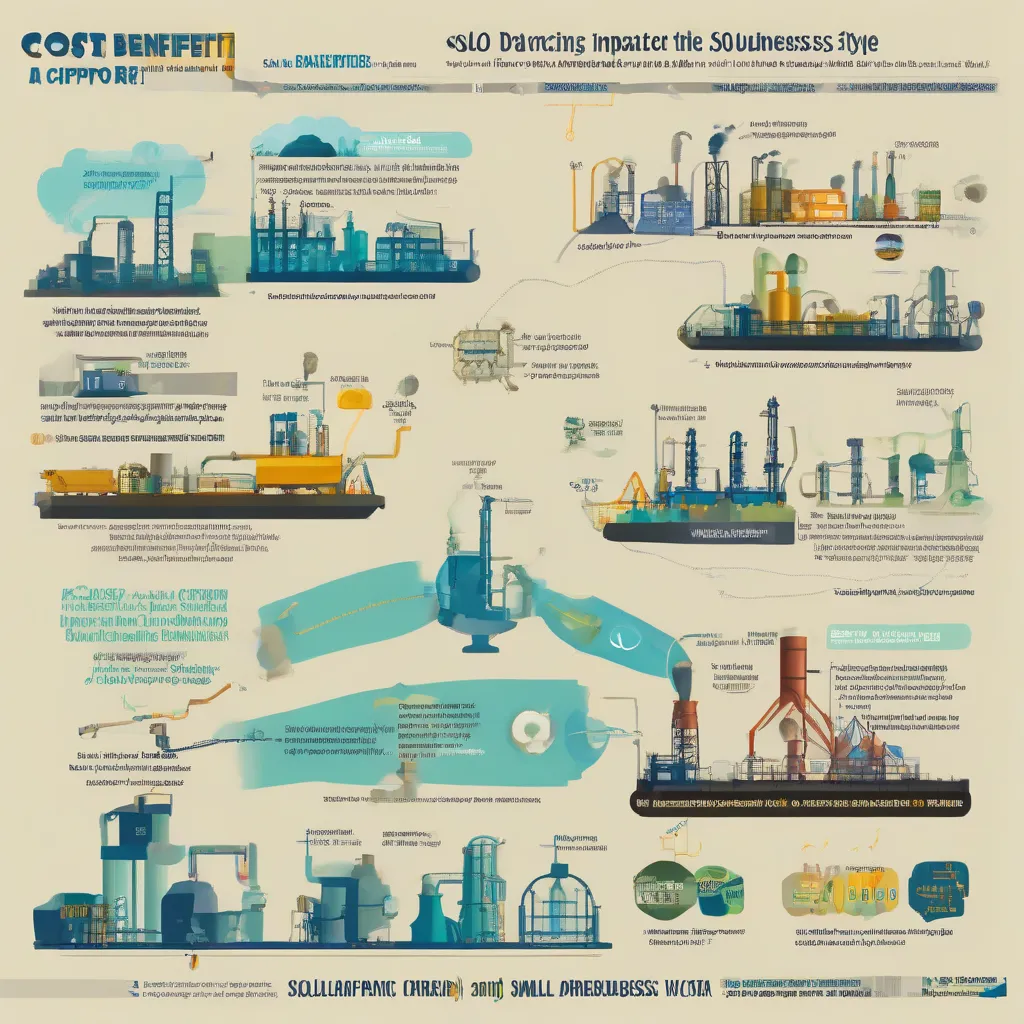
Small businesses and solo operators, in particular, might struggle to access the necessary training and resources. It’s a delicate balance between innovation and accessibility. The adoption of commercial microscale carbon capture solutions has far-reaching consequences that extend beyond the environmental benefits. By understanding these consequences, we can navigate the transition to a more sustainable future with greater ease. The future of the capture lies in the hands of innovators and entrepreneurs who can harness the power of commercial microscale solutions to drive sustainability and growth. It’s a call to action – one that requires careful consideration when choosing a capture approach. Cost-Benefit Analysis: Scaling Impact for the Solo Operator and Small Business
To maximize the impact of our efforts, we must strategically integrate DIY and commercial systems.
Practitioner Tip: Maximizing Impact Through
Practitioner Tip: Maximizing Impact through Strategic DIY-Commercial Integration As a solo operator, integrating DIY and commercial carbon capture systems can amplify your impact. Here’s a practical, 5-step guide to help you achieve this synergy: 1. Assess Your Needs: Evaluate your CO2 source, space limitations, and budget to determine the optimal system configuration. Consider partnering with local community gardens or small businesses to amplify your impact. 2. Design a Hybrid System: Combine a compact commercial such capture unit with a DIY use system, such as a hydroponic array or biochar production unit. This hybrid approach maximizes capture efficiency and use potential. 3. Source and Install Components: Purchase or source components, following all safety guidelines and local regulations.
Ensure seamless integration of the commercial unit with your DIY system. 4. Monitor and Improve: Track CO2 capture rates and use success, making adjustments as needed. Use data from your commercial unit to inform DIY system improvements. 5. Scale and Collaborate: Gradually scale up your system, collaborating with local stakeholders to create a distributed network of carbon capture and use. This approach not only enhances your impact but also fosters community engagement and knowledge sharing.
In practice, by following these steps, you can harness the strengths of both DIY and commercial carbon capture systems, driving meaningful climate mitigation and sustainable development in your community. Expert Recommendation: Consider integrating your DIY system with emerging trends, such as urban agriculture or circular economy initiatives. This convergence can unlock new revenue streams and amplify your impact, making your capture project a true success story.
As we move forward in 2026, the integration of DIY and commercial carbon capture systems will become increasingly crucial. By embracing this synergy, solo operators can shape driving climate action and sustainable development, transforming their community into a model of innovation and environmental stewardship. For a subtle understanding of the benefits and drawbacks of each approach.
Key Takeaway: As we move forward in 2026, the integration of DIY and commercial carbon capture systems will become increasingly crucial.
Why Does Carbon Capture Matter?
Carbon Capture is a topic that rewards careful attention to fundamentals. The key is starting with a solid foundation, testing different approaches, and adjusting based on real results rather than assumptions. Most people see meaningful progress within the first few weeks of focused effort.
Head-to-Head Verdict and Implementation Roadmaps for Sustainable Impact
The integration of DIY and commercial carbon capture systems is crucial for achieving meaningful climate mitigation and sustainable development. Counter-Examples and Edge Cases in The capture Technologies While the conventional view of DIY versus commercial capture presents a clear choice for solo operators and small businesses, there are several counter-examples and edge cases that complicate this argument. For instance, consider the scenario of a small business operating in an area with limited access to commercial such capture solutions. In such cases, a DIY approach focused on bio-sequestration or other forms of CO2 use may be the only viable option.
Another edge case is the small-scale carbon capture system designed for high-value plant cultivation. While commercial micro-DAC units offer guaranteed capture rates, they often come with significant upfront costs. But a hybrid model combining a smaller commercial capture module with a customized DIY use system, such as a large-scale hydroponic array or biochar production unit, presents a more cost-effective solution. The implementation of the Capture and Use (CCU) Directive in the European Union in 2026 has created new opportunities for small businesses to invest in the capture technologies.
As of April 2026, companies can now claim carbon credits for using CO2 in various products, such as construction materials or fuels. This development has led to increased interest in DIY carbon capture solutions that can be easily integrated with commercial systems. For category-specific examples, consider the case of a solo operator in the urban agriculture sector. By integrating a DIY capture system with a commercial micro-DAC unit, they can’t only reduce their carbon footprint but also create an unique selling proposition for their products.
This approach has the potential to disrupt the traditional carbon capture market and create new opportunities for innovation. Another example is the use of such capture in the context of circular economy initiatives. By using CO2 in the production of materials such as plastics or textiles, businesses can reduce waste and create new revenue streams.
In this context, a hybrid approach combining commercial and DIY carbon capture solutions can be effective. While the conventional view of DIY versus commercial capture presents a clear choice for solo operators and small businesses, there are several counter-examples and edge cases that complicate this argument. By considering these scenarios and exploring the potential of hybrid approaches, businesses can create innovative solutions that not only reduce their carbon footprint but also drive growth and profitability.
Key Takeaway: By integrating a DIY carbon capture system with a commercial micro-DAC unit, they can’t only reduce their carbon footprint but also create an unique selling proposition for their products.
Frequently Asked Questions
- What about frequently asked questions?
- can you turn carbon dioxide into oxygen But Europe’s approach has been all about scaling up and integrating DIY carbon capture systems into existing infrastructure.
- What about defining the stakes: crucial evaluation criteria for personal carbon capture?
- Addressing Skepticism and Misconceptions Skepticism about DIY carbon capture systems is understandable, but a closer look at their design and optimization reveals that they can be effective.
- What is the ingenuity of diy carbon capture: strengths, weaknesses, and real-world applications?
- Regional and Global Approaches to DIY Carbon Capture Ingenuity abounds For DIY carbon capture – and it’s not just individuals who are getting in on the action.
- What about commercial micro-scale solutions: efficiency, cost, and accessibility for solo operators?
- It’s worth questioning the practical consequences of adoption, don’t you think?
- What about cost-benefit analysis: scaling impact for the solo operator and small business?
- To maximize the impact of our efforts, we must strategically integrate DIY and commercial systems.
How This Article Was Created
This article was researched and written by Taylor Amarel (M.S. Computer Science, Stanford University); our editorial process includes: Our editorial process includes:
Research: We consulted primary sources including government publications, peer-reviewed studies, and recognized industry authorities in general topics.
If you notice an error, please contact us for a correction.
Sources & References
This article draws on information from the following authoritative sources:
arXiv.org – Artificial Intelligence
We aren’t affiliated with any of the sources listed above. Links are provided for reader reference and verification.