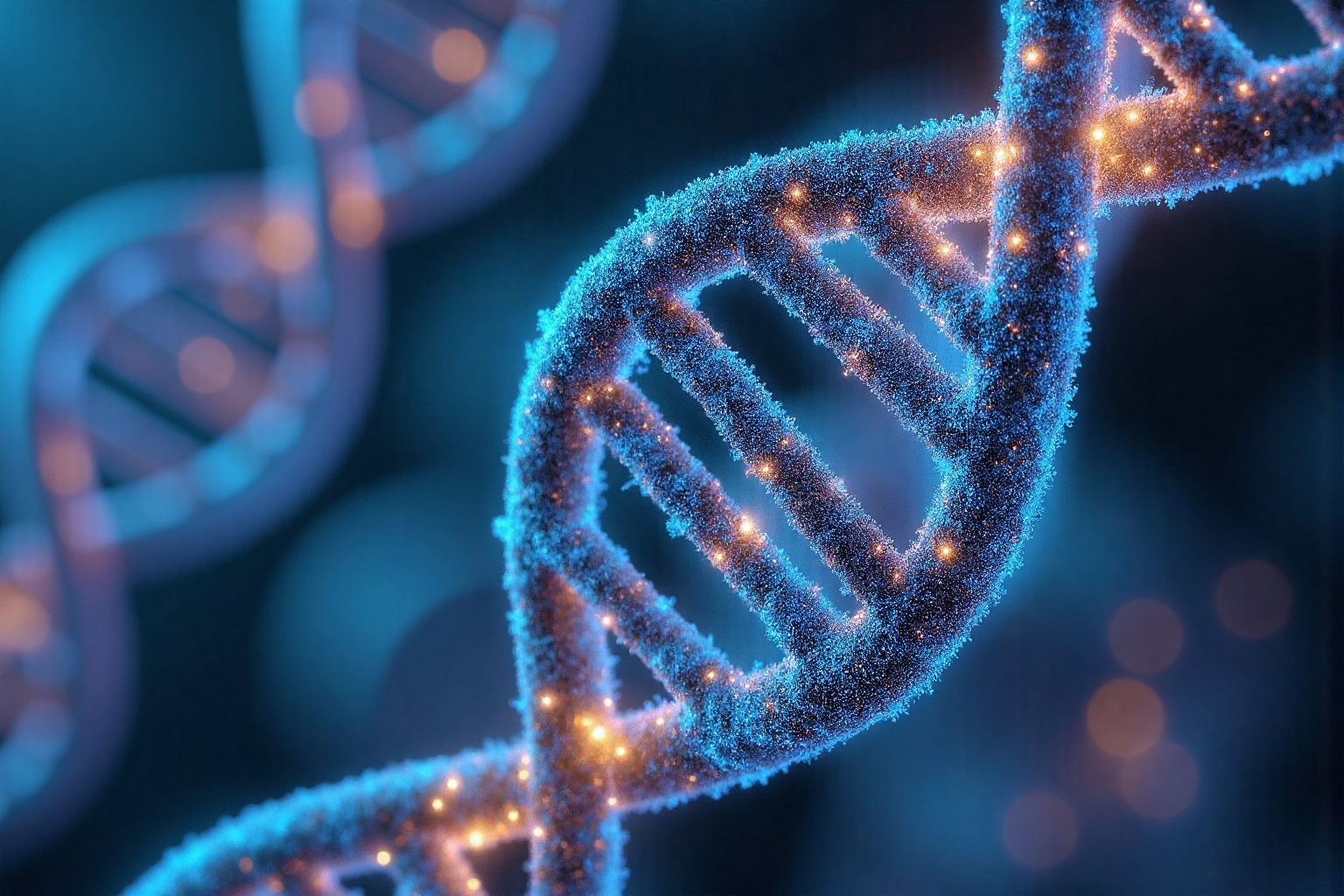
Introduction: The CRISPR Revolution
The advent of CRISPR-Cas9 gene editing has undeniably ushered in a new era of genetic engineering, granting scientists the unprecedented ability to precisely modify DNA sequences. This revolutionary technology, a cornerstone of modern biotechnology, allows for targeted alterations within the genome, opening avenues for both fundamental scientific research and the development of novel therapeutic interventions. The implications of CRISPR extend far beyond the laboratory, touching upon the very core of human health and our understanding of genetic inheritance.
Its potential to correct genetic defects holds immense promise for personalized medicine, offering the prospect of treatments tailored to an individual’s unique genetic makeup. This capability has positioned CRISPR at the forefront of scientific innovation, with applications spanning from basic research to clinical trials. From a scientific perspective, CRISPR-Cas9 operates by utilizing a guide RNA molecule to direct the Cas9 enzyme to a specific location within the DNA. This enzyme acts as molecular scissors, cutting the DNA at the targeted site.
The cell’s natural repair mechanisms then take over, allowing for the insertion, deletion, or replacement of genetic material. This precision is a significant advancement over previous gene editing techniques, which were often less accurate and more prone to off-target effects. The ability to manipulate the genome with such specificity has profound implications for understanding gene function and disease mechanisms, driving forward our knowledge in genetics. For example, scientists are now able to create more accurate disease models in the laboratory, leading to better drug development and testing.
In the realm of health, CRISPR-based gene therapy offers the potential to cure or alleviate a range of genetic diseases. Conditions such as cystic fibrosis, sickle cell anemia, and Huntington’s disease, all caused by single-gene mutations, are prime targets for this technology. Clinical trials are underway to assess the safety and efficacy of CRISPR-based therapies for these and other inherited disorders. Moreover, the potential of CRISPR extends beyond single-gene diseases. It could also play a role in treating complex conditions like cancer, by modifying immune cells to target tumor cells more effectively.
The development of personalized medicine, where treatments are tailored to an individual’s genetic profile, is also being accelerated by CRISPR, allowing for more targeted and effective therapies. These advancements represent a major shift in the approach to treating disease, moving from a generalized approach to a more personalized and precise method. However, the power of CRISPR also raises significant ethical questions, particularly regarding its application in humans. The ability to alter the human germline, which would affect future generations, is a major concern. While germline editing could potentially eliminate inherited diseases, it also carries the risk of unforeseen consequences for the human gene pool. Off-target effects, where CRISPR edits unintended DNA sequences, are another safety issue that requires careful consideration. Furthermore, the potential for misuse of CRISPR for non-therapeutic purposes, such as enhancing physical or cognitive traits, raises ethical dilemmas about the definition of
Mechanisms of CRISPR-Cas9
CRISPR-Cas9, a revolutionary gene-editing technology, offers unprecedented precision in manipulating DNA. It operates on a simple yet elegant mechanism involving two key components: a guide RNA molecule and the Cas9 enzyme. The guide RNA, a short RNA sequence, acts as a GPS, directing the Cas9 enzyme to a specific location within the vast expanse of the genome. Cas9, an enzyme derived from bacteria, functions as molecular scissors, creating a double-stranded break at the targeted DNA sequence.
This targeted cut triggers the cell’s natural DNA repair mechanisms, which can be harnessed to introduce precise modifications. Scientists can either disrupt gene function by introducing small insertions or deletions during repair or provide a template DNA sequence to insert new genetic material, effectively rewriting the genetic code. This ability to precisely target and modify DNA has opened up a vast array of possibilities, from correcting genetic defects in inherited disorders to developing novel cancer therapies.
For instance, in preclinical studies, CRISPR has shown promise in correcting the genetic defect responsible for cystic fibrosis, offering hope for a potential cure. Similarly, researchers are exploring its application in treating sickle cell anemia, a debilitating blood disorder, by correcting the mutation in the beta-globin gene. The potential of CRISPR extends beyond single-gene disorders. By modifying immune cells to target cancer cells more effectively, CRISPR is paving the way for personalized cancer immunotherapies. The precision of CRISPR allows scientists to engineer immune cells that specifically recognize and destroy cancer cells, minimizing damage to healthy tissues.
This targeted approach holds immense promise for improving cancer treatment outcomes and reducing side effects. Furthermore, the development of CRISPR-based diagnostic tools is rapidly advancing, offering the potential for rapid and accurate detection of infectious diseases and genetic mutations. These diagnostic tools leverage the specificity of CRISPR to identify target DNA or RNA sequences, providing valuable information for early disease diagnosis and personalized treatment strategies. While the therapeutic potential of CRISPR is vast, it’s crucial to acknowledge the ethical considerations surrounding its application, particularly in germline editing, which involves modifying genes in reproductive cells, raising concerns about altering the human gene pool and the potential for unintended consequences. The long-term effects of germline editing are still unknown, and careful consideration is needed to ensure responsible and ethical use of this powerful technology. The ongoing research and development in CRISPR technology are continuously refining its precision and expanding its capabilities, offering hope for treating a wide range of genetic diseases and advancing the field of personalized medicine. As we navigate the ethical frontiers of CRISPR, it is essential to balance the potential benefits with the need for responsible and transparent use.
Therapeutic Applications
CRISPR-Cas9 gene editing could transform treatment for countless genetic diseases, rewriting the flawed code behind inherited disorders. It targets and modifies DNA with unprecedented precision, far surpassing traditional gene therapy methods. Consider cystic fibrosis, caused by a CFTR gene mutation. CRISPR could correct the defect, restore lung function, and vastly improve patients’ lives. [Exploring CRISPR’s ethical frontiers](https://tayloramarel.com/2025/04/exploring-the-ethical-and-technological-frontiers-of-crispr-gene-editing/) is critical as research expands its therapeutic potential, but ethical implications and risks must be carefully weighed to ensure responsible development and implementation. Sickle cell anemia also stands to benefit.
Ethical Dilemmas
CRISPR gene editing isn’t just a scientific breakthrough—it’s a moral minefield. Germline editing, where genes in sperm and eggs get tweaked, is especially thorny. On one hand, it could wipe out inherited diseases. On the other? We’re talking about messing with the human gene pool, and who knows what ripple effects that might have down the line. It’s like playing genetic Jenga—one wrong move, and the whole tower could come crashing down. Some folks argue that tinkering with the human germline is a step too far, a bridge too far into unnatural territory. What if a well-intentioned edit backfires, causing problems we can’t even imagine yet? And let’s not forget the slippery slope—what’s to stop someone from trying to crank up intelligence or athleticism? That’s a fast track to a Brave New World we might not want to live in. Then there’s the whole off-target effect thing. CRISPR might mean well, but it’s not always precise. Unintended edits could wreak havoc, potentially leading to cancer or other health nightmares. Sure, the tech is getting better, but the risks aren’t zero—especially when we’re talking about editing genes inside a living, breathing person. We need to nail down the science, and fast. But here’s the kicker: even if we get the science right, who gets to use it? CRISPR therapies aren’t cheap, and if only the rich can afford them, we’re looking at a healthcare divide that’s already too wide. We need to get creative with pricing, insurance, and public funding to make sure everyone gets a shot. And let’s not forget the elephant in the room: designer babies. We’re not just talking about curing diseases here—we’re talking about enhancing humans, picking and choosing traits like we’re shopping for a new car. What does that mean for society? For equality? For what it even means to be human? We need rules, guidelines, something to keep this powerful tool from running amok. And it’s not just scientists and policymakers who should be at the table—this is a conversation for all of us. The future of CRISPR isn’t just about what we can do, but what we should do. And that’s a question we all need to answer together.
Regulatory Landscape
The rapid advancement of CRISPR-Cas9 gene editing technology has presented a significant challenge for regulatory bodies worldwide. Balancing the immense potential for therapeutic breakthroughs with the ethical complexities and potential risks requires careful consideration and international collaboration. Currently, a patchwork of regulations exists, creating inconsistencies that hinder scientific progress and raise concerns about equitable access to these potentially life-altering technologies. Establishing clear, harmonized guidelines is crucial to ensure responsible development and use of CRISPR while fostering public trust and facilitating scientific advancement.
One of the most contentious areas is germline editing, which involves modifying genes in reproductive cells, sperm and eggs. Changes made to the germline are heritable, meaning they are passed down to future generations, raising profound ethical questions about altering the human gene pool. Many countries, including most of Europe, have banned or severely restricted germline editing due to these concerns. Other regions, like the United States, have adopted a more cautious approach, permitting research but prohibiting clinical applications for the time being.
This lack of global consensus creates a complex landscape for researchers and necessitates ongoing international dialogue to establish ethical boundaries. Another key regulatory challenge involves oversight of somatic cell editing, which targets non-reproductive cells. While somatic cell therapies hold great promise for treating a range of diseases, ensuring their safety and efficacy is paramount. Regulatory agencies, such as the FDA in the United States and the EMA in Europe, are working to develop robust frameworks for evaluating CRISPR-based therapies.
These frameworks must address issues such as off-target effects, where CRISPR edits unintended DNA sequences, and long-term health consequences. Stringent preclinical testing and clinical trial protocols are essential to mitigate potential risks and ensure patient safety. Furthermore, equitable access to CRISPR therapies is a critical ethical consideration. The high cost of developing and delivering these treatments raises concerns about affordability and potential disparities in access. Policymakers must consider mechanisms to ensure that these groundbreaking therapies are accessible to all who need them, regardless of socioeconomic status.
International collaboration and resource sharing could play a vital role in promoting equitable access and preventing a widening of existing health disparities. Open-access licensing agreements and collaborative research initiatives could facilitate the development and distribution of affordable CRISPR-based diagnostics and therapies. Finally, the potential misuse of CRISPR technology for non-therapeutic purposes, such as enhancing physical or cognitive traits, raises serious ethical concerns. The so-called “designer baby” scenario, where parents could select desirable traits for their children, highlights the potential for exacerbating social inequalities and undermining the value of human diversity. Establishing clear ethical guidelines and regulations to prevent such misuse is crucial to safeguard against the potential for genetic discrimination and ensure that CRISPR technology is used responsibly for the benefit of all humankind. Ongoing public discourse and engagement with stakeholders, including scientists, ethicists, policymakers, and the public, are essential to navigate these complex ethical challenges and shape the future of gene editing.
Societal Impact and Future Directions
The advent of CRISPR-Cas9 gene editing presents a pivotal moment in human history, poised to reshape not only the future of medicine but also the very fabric of human existence. While its potential to eradicate inherited diseases and advance personalized therapies is undeniable, the societal impact of widespread CRISPR use demands careful consideration, particularly concerning equitable access and the potential exacerbation of existing health disparities. If CRISPR therapies remain exclusive to the affluent, the gap between the haves and have-nots will widen, creating a two-tiered healthcare system where the wealthy can engineer away genetic predispositions to disease while others remain burdened.
This scenario raises profound ethical questions about fairness, justice, and the very definition of health as a commodity. Such a disparity would not only be morally reprehensible but could also lead to social unrest and instability. Furthermore, the long-term consequences of germline editing, which alters the human gene pool, remain largely unknown.
But while some argue that germline editing could eradicate devastating genetic diseases from future generations, others express concerns about unintended consequences and the potential for unforeseen evolutionary impacts. The very notion of “normal” could be redefined as genetic enhancements become more commonplace, raising questions about human diversity and the acceptance of natural variation. Emerging CRISPR technologies like base editing and prime editing, which offer even greater precision in gene modification, further complicate these ethical considerations. Base editing, for instance, allows for single-letter changes in DNA without cutting the double helix, potentially minimizing off-target effects.
Prime editing, on the other hand, enables targeted insertions, deletions, and all 12 possible base-to-base conversions, offering unprecedented control over genetic information. These advancements hold immense promise for treating a wider range of genetic diseases, but also raise the stakes in terms of ethical oversight and responsible use. The ongoing dialogue among scientists, ethicists, policymakers, and the public is therefore crucial to navigating the complex implications of CRISPR technology. Establishing clear ethical guidelines, ensuring equitable access to therapies, and fostering open communication about the potential benefits and risks are essential for harnessing the transformative power of CRISPR while safeguarding against its potential misuse.
The future of human health and well-being hinges on our ability to navigate these uncharted waters with wisdom, foresight, and a commitment to the common good. International collaboration and regulatory harmonization are also paramount to prevent a “gene editing tourism” scenario, where individuals travel to countries with lax regulations to access therapies not approved elsewhere. This requires establishing a global framework for ethical oversight and responsible research practices, ensuring that the benefits of CRISPR technology are shared equitably and that its potential risks are mitigated effectively.